
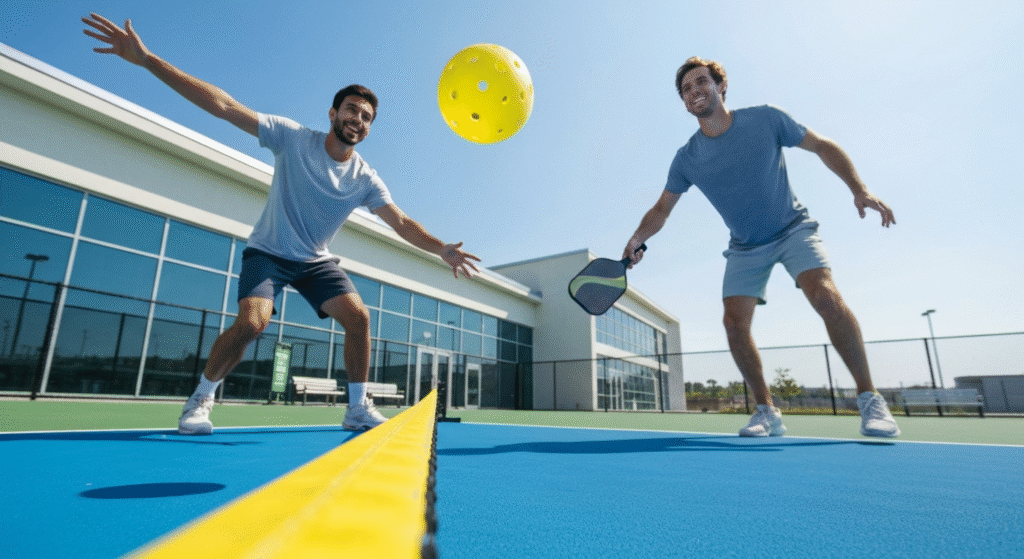
Unlocking Your Best Game: The Search for Ideal Pickleball Shoes for Flat Feet
Hello, fellow pickleball enthusiasts! As someone who absolutely adores the dink shot and the thrill of a fast volley, I know a thing or two about spending hours on the pickleball court. And I also know the unique challenges that come with having flat feet when playing such a fast-moving sport. For years, I struggled with foot pain, knee discomfort, and even hip issues after long matches, all because I wasn’t giving my feet the particular support they needed. It felt like a constant battle, trying to find pickleball shoes flat feet could truly rely on. But I’m here to tell you, the right footwear makes all the difference, transforming your play from painful to pure joy.
My journey to comfortable play wasn’t instant. I’ve tried many different types of shoes, listened to countless suggestions, and spent a good deal of time learning about foot biomechanics. What I’ve gathered is this: pickleball, with its quick lateral movements, sudden stops, rapid starts, and constant pivoting, puts immense stress on your feet. For those of us with flat feet, where the arch of our foot collapses or has very little height, this stress is magnified. Without proper support, our feet can overpronate, leading to a cascade of issues up the kinetic chain. This guide is built from my experiences and research, helping you find those perfect pickleball shoes flat feet players can wear with confidence.
Understanding Flat Feet: Why Pickleball Demands Special Attention
First, let’s get a little basic understanding of what flat feet mean in the context of pickleball. When someone has flat feet (pes planus), their arches are lower or non-existent. This means that when they stand or move, their entire foot, or a good portion of it, makes contact with the ground. On the pickleball court, this changes how your foot absorbs shock and how it pushes off. Instead of the arch acting like a natural spring, a flat foot tends to roll inward excessively (overpronation) when weight is applied.
I distinctly remember a period early in my pickleball life where I would wear regular athletic shoes. They felt fine for walking, but the moment I started to perform quick bursts of speed or sharp turns on the court, I could feel my arches straining, my ankles wanting to roll, and my knees beginning to ache. The lack of proper arch support meant my feet weren’t stable, and my body was working harder to compensate. This is precisely why finding specialized pickleball shoes flat feet can depend on is not just a preference; it’s a necessity for comfort and injury avoidance.
The Risks of Ignoring Your Flat Feet on the Court
- Increased Foot Pain: Plantar fasciitis, arch strain, and heel pain are common complaints when flat feet are not supported well.
- Ankle Instability: Overpronation can lead to the ankle rolling inward, increasing the chance of sprains. I’ve had a few close calls!
- Knee and Hip Discomfort: The misaligned mechanics starting from the foot can travel up the leg, causing issues in the knees and hips.
- Reduced Performance: When you’re worried about pain or stability, you can’t play your best game. Your focus shifts from strategy to discomfort.
What to Look For: Essential Features in Pickleball Shoes for Flat Feet
So, you’re ready to upgrade your footwear and give your flat feet the love they deserve. What key features should you prioritize when searching for the best pickleball shoes flat feet players can wear? Based on my own trials and errors, here’s what truly matters:
1. Superior Arch Support
This is probably the most critical factor. While some flat-footed players might think a completely flat shoe is best, that’s often a mistake. We need shoes that provide structured support to prevent overpronation. Look for shoes with a strong, often firmer, arch area that helps hold your foot in a more neutral position. Some shoes come with removable insoles, which is a huge plus because it allows you to insert custom orthotics if needed. I always check if the insole feels firm and supportive, not just soft and cushy.
2. Excellent Cushioning
While arch support is key for stability, ample cushioning is essential for shock absorption. Pickleball involves a lot of impact, from jumping to lunging. Good cushioning, particularly in the heel and forefoot, helps soften these impacts, protecting your joints. Look for technologies that boast responsive cushioning without being overly soft, which can sometimes reduce stability. I’ve found a balance here is key; too much squishiness can feel unstable for quick lateral moves.
3. Stability and Lateral Support
This cannot be overstated for pickleball players, especially those with flat feet. The sport demands rapid side-to-side movements. Shoes designed for court sports (like tennis or basketball) often have features like reinforced sidewalls, wider bases, and outriggers to prevent your foot from rolling over during aggressive lateral steps. When I’m trying on shoes, I perform a few mock lateral shuffles to ensure my foot feels secure and doesn’t slide over the edge of the shoe bed. A shoe that feels like it “hugs” your foot properly without pinching is a good sign.
4. Durable Outsole and Grip
The outsole of your pickleball shoes flat feet need needs to offer reliable traction on indoor and outdoor court surfaces. Look for non-marking rubber outsoles with a herringbone pattern or similar design that offers multi-directional grip. A durable outsole also ensures your shoes last longer, standing up to the wear and tear of intense play. I’ve had shoes with great cushioning but terrible grip, and that’s just a recipe for slips and falls, which is the last thing any of us want.
5. Proper Fit
Fit is always important, but for flat feet, it’s paramount. Your shoes should feel snug but not tight, with enough room in the toe box for your toes to wiggle. Make sure there’s no heel slippage. Try them on with the socks you usually wear for pickleball. And remember, foot size can change throughout the day, so I often try shoes on later in the afternoon when my feet are slightly expanded. If your feet feel cramped or loose, keep looking.
My Journey to Finding the Best Pickleball Shoes for My Flat Feet
Let me share a bit more about my personal search for the ideal pickleball shoes flat feet could be happy in. For a long time, I just bought whatever athletic shoe was on sale, thinking “a shoe is a shoe.” Big mistake! My plantar fasciitis flared up, my knees ached after every session, and I even started developing shin splints. It was frustrating because I loved the game, but the physical discomfort was truly diminishing my enjoyment.
My turning point came after a particularly grueling tournament where I could barely walk the next day. A friend, who also dealt with flat feet, suggested I try a dedicated court shoe known for its stability. I had always shied away from them because they sometimes felt a bit stiffer, but I was desperate. The difference was immediate. The structured arch support, the firmer midfoot, and the reinforced sides made my feet feel contained and stable. I could move with more confidence, change direction faster, and my post-game recovery improved a lot.
I started paying close attention to particular brands that had a reputation for excellent court support, and I also began experimenting with different insoles. Sometimes, even with a good shoe, a specialized insole (either over-the-counter or custom-made by a podiatrist) can really fine-tune the support for your unique foot shape. This combination of a well-chosen shoe and, occasionally, a supportive insert has been my secret weapon against discomfort.
Recommendations for Pickleball Shoes Flat Feet Friendly
While I can’t recommend a single shoe that works for every person (because every foot is unique!), I can certainly point you towards types of shoes and features that often work well for flat-footed players. Look for brands that are well-regarded in the tennis or court sports community, as their shoe designs often translate beautifully to the needs of pickleball. Think about shoes known for:
- Strong Midfoot Support: These shoes aim to control pronation. They will feel sturdy through the middle of the foot.
- Good Torsional Rigidity: This means the shoe doesn’t twist easily in the middle, providing a stable platform for quick pivots.
- Responsive Cushioning: You want cushioning that absorbs impact but also gives you a spring back, rather than just sinking in.
- A Wider Base: Some shoes offer a slightly wider outsole or sole platform, which can enhance stability, especially during lateral movements.
Many tennis shoe brands offer models designed for stability and support. When I’m shopping, I often look for shoes that emphasize these qualities in their descriptions. Brands like ASICS, New Balance, and Babolat often have models that cater well to players needing more support. It’s not about a particular model number, but about understanding the design philosophy – stability, support, and durability are key.
What to Do When Trying On Pickleball Shoes for Flat Feet: My Checklist
- Wear your pickleball socks: The socks you play in can affect the fit.
- Test both shoes: Your feet are rarely identical.
- Walk around, then shuffle: Don’t just stand there. Mimic pickleball movements. Do lunges, quick stops, and lateral shuffles. How do your arches feel? Does your heel stay put?
- Consider removable insoles: If the shoe feels good but could use a little more arch love, check if the insole comes out easily. This means you can swap it for an orthotic if needed.
- Listen to your feet: They’ll tell you if it’s the right fit. Don’t ignore any pinching, rubbing, or lack of support.
Beyond the Shoes: Other Strategies for Flat-Footed Pickleballers
While the right pickleball shoes flat feet players choose are incredibly important, they are only one piece of the puzzle. Here are some other things I’ve found helpful in keeping my feet and body happy on the court:
1. Custom or Over-the-Counter Orthotics
As I mentioned, sometimes a good shoe benefits from an added orthotic. If you have significant flat feet, a visit to a podiatrist can be incredibly helpful. They can assess your foot mechanics and recommend custom orthotics that provide precise support. For less severe cases, good quality over-the-counter arch supports can make a massive difference when slipped into a supportive court shoe. I’ve used both and found great comfort with well-fitting inserts.
2. Foot Strengthening Exercises
Strong feet are healthy feet! Incorporating exercises like toe curls, marble pickups, and calf raises can help build up the small muscles in your feet and lower legs, which can indirectly offer more support to your arches. A stronger foot can better handle the stresses of pickleball. I try to do a few minutes of these each day, and it genuinely makes a difference in how my feet feel.
3. Stretching and Mobility
Keeping your calves, hamstrings, and feet flexible can also reduce strain on your arches. Tight calf muscles, for example, can contribute to plantar fasciitis. Regular stretching before and after play is something I never skip. Focus on calf stretches, Achilles stretches, and even gently stretching your toes and arches.
4. Proper Lacing Techniques
Yes, how you lace your shoes can make a difference! For flat feet, lacing techniques that create more arch support or alleviate pressure on certain areas can be beneficial. Some players find skipping the second eyelet from the bottom, or using a “lock lacing” technique at the top, helps keep their heel secure and provides better midfoot support. Experiment to see what feels best for you in your chosen pickleball shoes flat feet can thrive in.
5. Listen to Your Body
This is probably the most fundamental advice I can give. If you’re feeling pain, don’t push through it. Rest, ice, and reassess your footwear and technique. Our bodies give us signals, and for flat-footed players, these signals are often louder and clearer when it comes to footwear. A bit of discomfort might be normal after intense play, but persistent pain is your body telling you something needs to change.
Stepping Onto the Court with Confidence
Finding the right pickleball shoes flat feet players can truly trust might take a little patience and trial, but it is a worthwhile pursuit. When you step onto the court with shoes that support your particular foot type, you’re not just buying footwear; you’re investing in your comfort, your performance, and your long-term enjoyment of pickleball. I’ve seen firsthand how the right pair of shoes can change a player’s entire outlook on the game, turning frustration into freedom of movement.
Don’t let foot pain hold you back from enjoying every dink, drive, and volley. Take the time to consider these features, try on different options, and perhaps consult with a foot health professional if your discomfort persists. Your feet work incredibly hard for you on the pickleball court; give them the proper support they deserve. Happy pickling!